
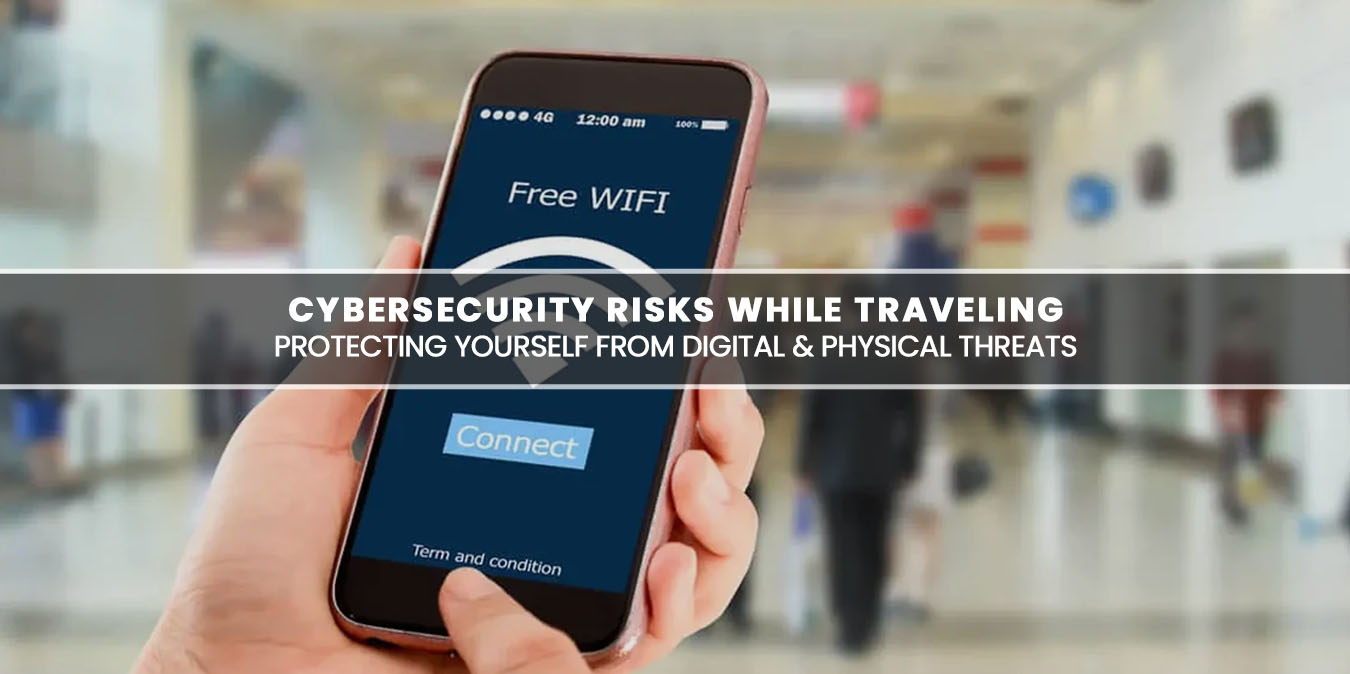
For professionals who frequently travel for work, particularly lawyers handling sensitive information, cybersecurity should be a top priority. Public Wi-Fi networks, credit card fraud schemes, and general situational awareness can mean the difference between a secure trip and a costly breach of personal or client information. As economic damages experts our team has seen the cost of such issues not just financially but also in reputational loss. These slight miscalculations can make a bad trip a bad year!
The Dangers of Public Wi-Fi in Airports, Hotels, and Cafés
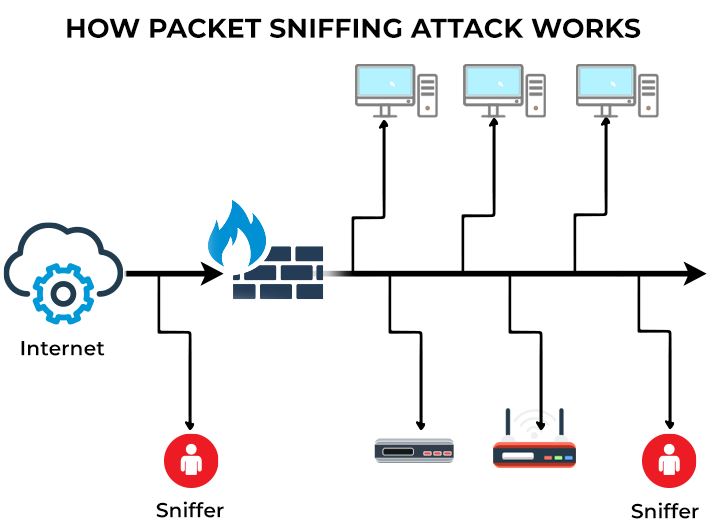
Public Wi-Fi networks in airports, hotels, and coffee shops are prime targets for cybercriminals. These networks often lack strong encryption, making it easy for hackers to intercept your data through man-in-the-middle attacks. Risks include:
- Packet Sniffing : Cybercriminals can use tools to eavesdrop on data being transmitted over open networks, potentially capturing login credentials, emails, and financial information.
- Evil Twin Networks : Hackers set up rogue Wi-Fi networks with names similar to legitimate ones, tricking travelers into connecting and unknowingly exposing their data.
- Session Hijacking : Attackers can intercept your session cookies, granting them unauthorized access to your accounts.
How to Protect Yourself:
- Use a Virtual Private Network (VPN) : A VPN encrypts your internet traffic, making it significantly harder for hackers to intercept.
- Avoid Public Wi-Fi for Sensitive Transactions : If possible, use your phone’s mobile hotspot instead of public networks.
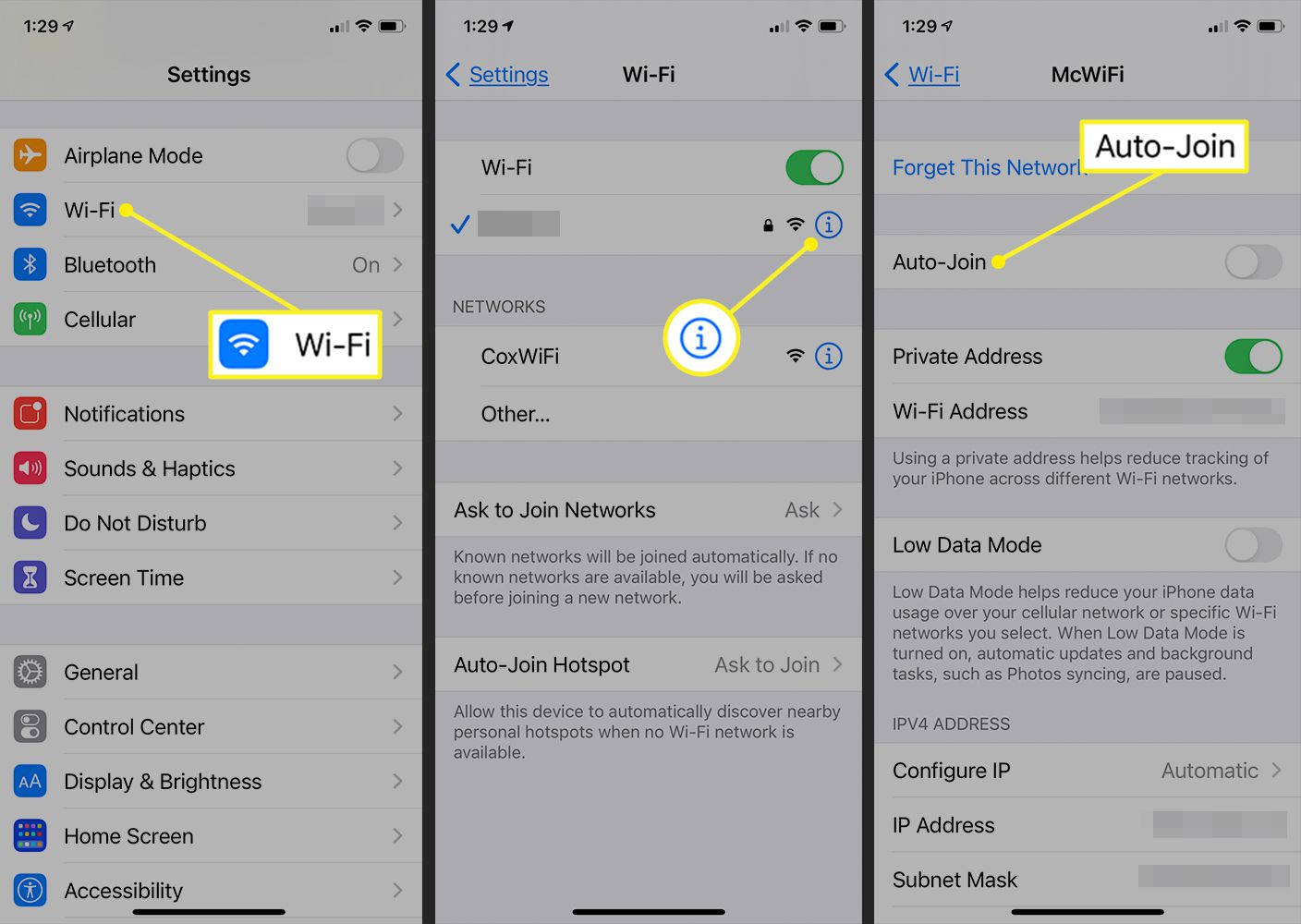
- Turn Off Wi-Fi Auto-Connect : Prevent your device from automatically connecting to potentially unsafe networks.
- Verify Network Authenticity : Ask staff for the correct Wi-Fi network name before connecting.
Credit Card Fraud: RFID and Chip Reader Scams
Travelers are prime targets for financial fraud schemes, particularly those using Radio-Frequency Identification (RFID) skimming and fake chip readers.
RFID Skimming
Many credit cards contain RFID chips that allow for contactless transactions. Criminals use RFID skimmers to wirelessly capture your card’s data from a distance without physically touching your card.
Fake Chip Readers and Card Shimming
Card shimming is an advanced fraud technique where criminals insert thin devices inside chip readers at ATMs and payment terminals. These devices capture data from chip-enabled cards, allowing fraudsters to create a cloned card.
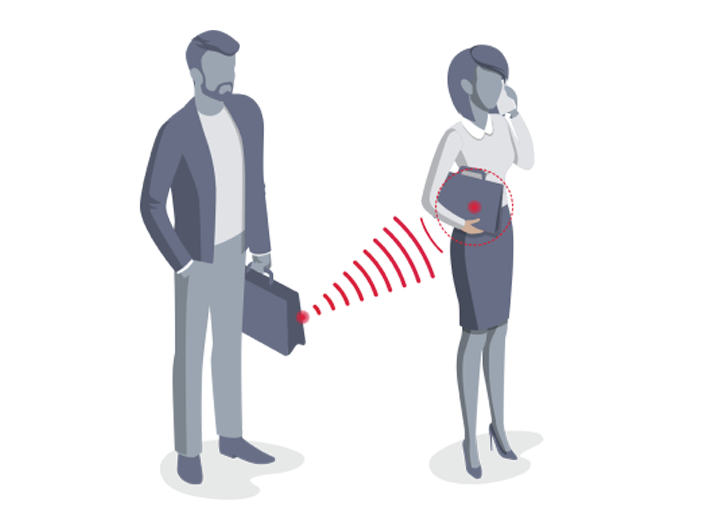
- Use RFID-Blocking Wallets : These block skimmers from accessing your card data.
- Physically Inspect Card Readers : Before inserting your card, tug on the reader. If it feels loose or tampered with, avoid using it.
- Opt for Tap-to-Pay or Mobile Payments : Digital payment methods such as Apple Pay or Google Pay offer extra layers of security.
- Enable Transaction Alerts : Set up notifications for every transaction to detect unauthorized charges immediately.
Gas Station Skimmers and Rental Car Awareness
Gas stations are a common target for credit card skimmers, and rental cars can inadvertently make travelers a target for theft.
Gas Station Credit Card Skimmers
Skimmers are hidden devices installed over legitimate card readers at gas pumps. They capture card data when travelers swipe their cards.
How to Protect Yourself:
- Use Pumps Closest to the Attendant : Fraudsters prefer pumps farther away where they can install skimmers unnoticed.
- Pay Inside if Possible : This reduces the likelihood of encountering a compromised pump.
- Use Mobile Payment Methods : Apps like Google Pay and Apple Pay are safer alternatives to physical card transactions.
Rental Car Risks
Displaying that you are driving a rental car can make you an easy target for thieves, as they often assume rental cars contain valuable belongings.
How to Stay Safe:
- Remove Rental Car Stickers and Tags : Some rental companies mark vehicles with easily identifiable stickers.
- Avoid Leaving Luggage in Plain Sight : Always store valuables out of sight or take them with you.
- Be Aware of Your Surroundings : Criminals target distracted travelers, so remain alert, especially in unfamiliar areas.
Final Thoughts: Staying Secure on the Road
For traveling professionals, particularly lawyers handling confidential client information, cybersecurity is critical. The best defenses include:
- Using a VPN to protect data over public Wi-Fi.
- Employing RFID-blocking technology and being cautious with card readers.
- Exercising vigilance when fueling up and maintaining a low profile with rental vehicles.
By adopting these security measures, business travelers can significantly reduce their risk of falling victim to cyber and financial fraud schemes. Stay aware, stay secure, and ensure your sensitive information remains protected while on the road.